
How scalpers operate and the mechanics behind short-term scarcity
Scalping in the trading card world is basic economics dressed up in speed and technology. At its simplest it means buying more product than you need at retail and selling it into a hungry secondary market for a profit. The tools have evolved: bots that check retailer stock and complete checkout flows in milliseconds, proxy buyers who hit local stores at release time, and coordinated groups that split allocations and flip the lots. Those methods produce something I see a lot in UK listings: glut lists of identical sealed boxes appearing within hours of a set release, then drying up as the secondary price climbs.
That spike in availability is what people call "artificial scarcity." It’s not that the manufacturer stopped printing cards — many mainstream lines are produced in very large numbers — but scalpers concentrate initial supply into fewer hands and control timing. Retailers experience empty shelves for popular lines even when crates sit in distribution centres elsewhere. The result is a market signal: higher asking prices on eBay, CardTrader and local Facebook groups, and suddenly the chase cards in a set command attention.
The mechanics differ for intentionally limited products. A special set with low print runs will react more violently to concentrated buying because fewer units exist to absorb demand. Even for mass-print items, release-day scarcity tightens competition for unopened product and the highest-grade singles — the latter becoming early targets for submission to grading houses.
Finally, the social side matters. When children or casual buyers can't find product because resellers have bought everything, it draws attention from press and retail partners. That pressure pushes stores to change policies. But mechanically, scalpers are exploiting the timing and distribution frictions of release cycles rather than doing anything magical to reduce total supply permanently.
Retail and distribution responses: allocation, lotteries and in-store controls
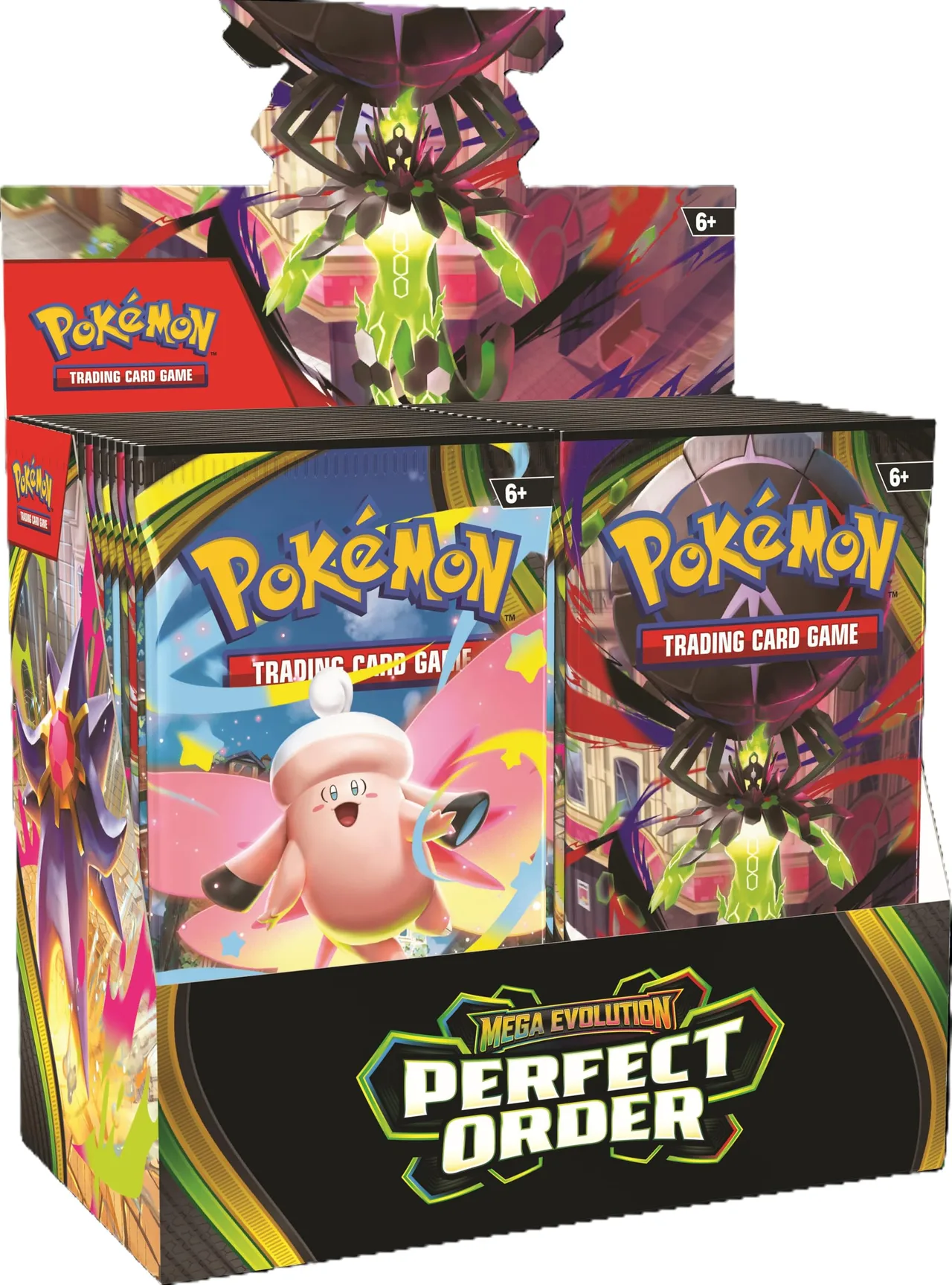
Retailers and publishers have tried a range of fixes in reaction to scalping. The tactics are diverse because the problem shows up differently for local card shops, national chains and direct-to-consumer programmes. Smaller game stores might hold back a portion of stock for store-floor sales, limit purchases to one or two boxes per person, or stage in-person releases. Larger retailers and official distributors tend to rely on allocation systems: sending smaller quantities per outlet to stretch availability across regions.
Lottery drops and registration systems have become common for premium boxes or special collections. Customers enter a draw for the right to purchase, which prevents the fastest checkout from deciding who gets product. It’s not perfect — organised scalper networks adapt by using multiple accounts or staffing entries — but it shifts the scramble from milliseconds to a slower, administratively heavier process.
There have also been more aggressive steps. In extreme cases the press has reported stores refusing to sell certain products through online platforms after repeated problems, while one high-profile US retailer temporarily banned resales of Pokémon TCG entirely on its platform for some sellers. The aim is to protect the casual buyer and the competitive scene by ensuring that players can actually access product for play rather than only through inflated resellers.
Every policy creates trade-offs. Limits and lotteries reduce immediate scalping but increase administrative burden and sometimes frustrate legitimate buyers who used to enjoy convenient purchases. The structural problem remains: as long as secondary buyers are willing to pay above retail prices, there will be incentives for bulk buying. Retailers mitigate, they do not eliminate, the economic pressures that feed scalping.
Market effects on sealed product, singles and price discovery
Scalping shifts the market’s short-term price discovery from retail to secondary platforms. When a sought-after set hits a release date and retail stock evaporates, the visible market price becomes the resale listings on eBay, CardTrader and local marketplaces. That’s where buyers see apparent truth: sealed booster boxes listed at premiums, bundles sold out, and singles with large bid spreads. In the UK this process can be swift: a handful of successful flips recalibrate expectations and encourage more sellers to post at higher prices.
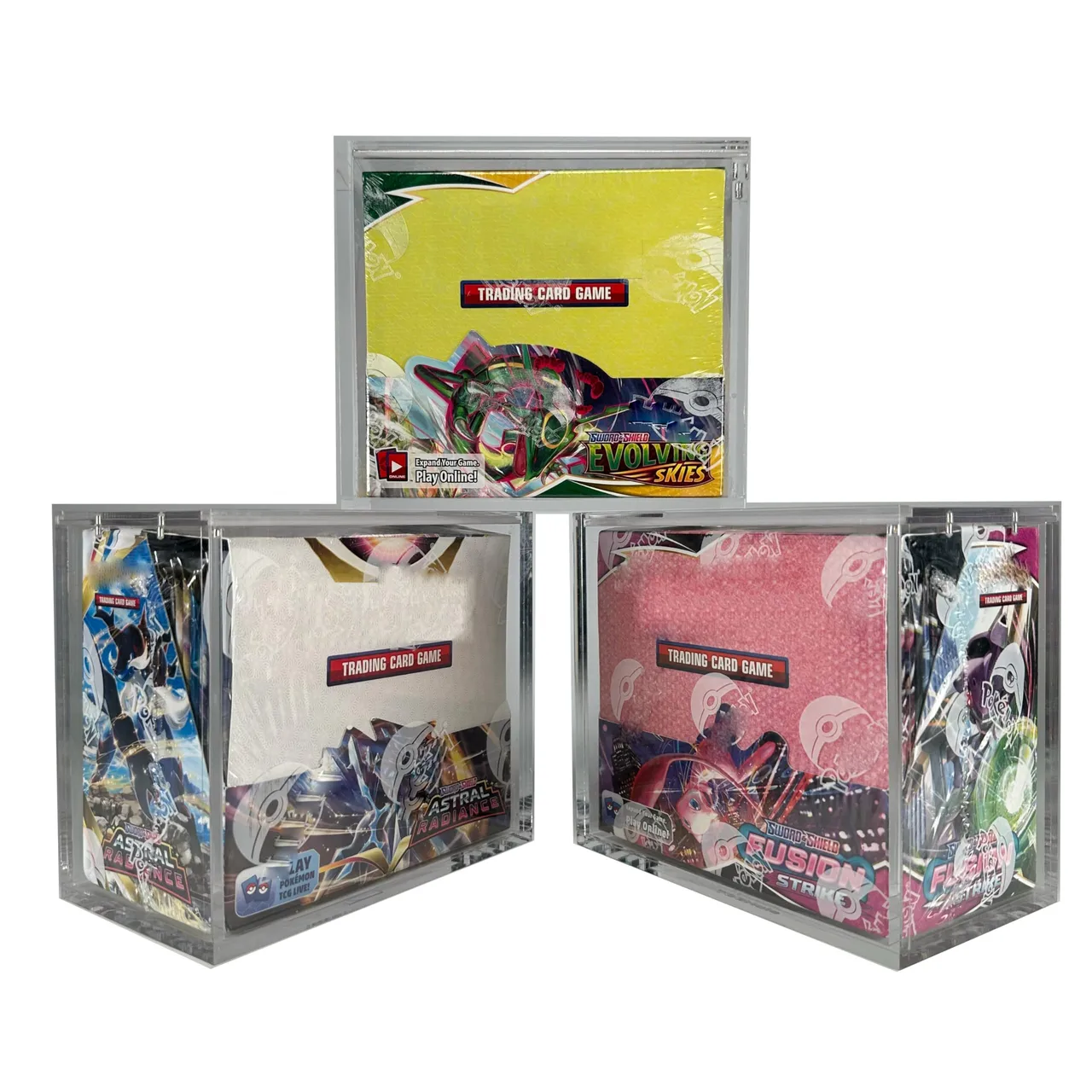
Sealed product frequently feels the first squeeze. Unopened boxes serve as simple, transportable inventory and are easy to trade. That means scalpers concentrate on boxes and display stock as a hedge against the risk that a particular single won’t sell. Singles are more nuanced: a chase card with clear tournament or collector desirability will spike in value fastest, but long-term price depends on playability, print run and later supply. If a card is both playable and scarce in top grade, it becomes a dual-purpose asset: people want it for decks and as a collectible.
A secondary-market driven price signal also feeds grading demand. When bidders favour PSA or other graded examples, ungraded copies may languish while graded ones set the market top. That grading premium is part of the price discovery loop — it raises realised prices for top-condition copies and encourages scalpers to submit the best examples for slabbing, despite grading fees and wait times.
Finally, price discovery on these secondary channels tends to be more emotional and less efficient than retail markets. Listings that begin at aggressively high prices anchor expectations, and buyers in a hurry will often pay convenience premiums. Over time, as supply equalises and more sellers list, these spikes usually soften — but not always for limited print products or particularly iconic chase cards.
Social consequences: community access, player bases and the perception of fairness
Scalping carries a cultural cost that reaches beyond pure economics. The hobby’s public face takes a hit when casual buyers and younger players are repeatedly shut out of new releases. Stories of children unable to buy the latest packs, or of queue fights and aggressive behaviour at stores, circulate widely and sap goodwill. That friction has been visible in press reports and social posts where local shops describe being swamped by resellers rather than regular customers.
This strain matters because trading card games rely on active player communities. If decks and event attendance falter because players can’t source product at reasonable prices, the competitive scene and in-store events feel the pain. Smaller game shops are especially exposed: their margins and customer loyalty depend on local players who may be priced out by a secondary market that serves remote resellers.
There is also an equity question. Scalping can convert a civic, accessible pastime into one where the quickest and richest buyers capture the best opportunities. That erodes the sense of fairness that sustains hobby spaces. Online communities respond with hostility that can manifest as public shaming of well-known resellers or coordinated reporting campaigns — tactics that create their own problems in moderation and civility.
Yet this social pressure has produced action and innovation. Retailers, organisers and publishers have experimented with formats and sales approaches to push product back toward players. The side-effect is a steady conversation about how to keep the hobby inclusive while managing genuine commercial demand, and that conversation is likely to shape policies and distribution for years to come.
Long-term outlook: supply, policy shifts and the role of investor interest
Scalping will remain a feature of TCG markets as long as demand outpaces immediate, local supply and resale margins exist. But long-term trends suggest limits to scalpers' power. For major lines with large print volumes, the total supply eventually reasserts itself: more product enters distribution, retail restocks, and the initial premium often decays. That mirrors analyses that show scalpers create short-term shortages rather than indefinite scarcity for widely printed products.
Investment interest changes the picture. As more people view certain cards as assets, behaviour shifts from casual collecting to market speculation. That fuels demand for graded, high-condition copies and sealed editions that can be held and sold as discrete units. The influx of investors can stabilise prices at a higher band than hobby-driven demand alone would sustain, creating new baseline valuations for chase items.
Policy and platform-level changes matter, too. Retailer allocation strategies, lottery systems, purchase limits and policing of bulk-buying bots can blunt some scalper tactics. Marketplaces also play a role: trusted selling conditions, enforcement of seller policies, and improved visibility of true sale prices help. The cumulative effect is a slower, more transparent market where long-term supply realities and playability ultimately weigh on value.
Expect continued friction. Scalpers adapt, and publishers experiment. The most likely equilibrium is a layered market where immediate-release prices are volatile and secondary channels intermediate demand, while long-run values for playable or truly limited items reflect both supply and an investor class. That leaves collectors, players and the trade to live with a market that's noisier than it used to be — and one where distribution policy choices still have outsized influence.
Key takeaways
- Scalpers create short-term artificial scarcity but rarely remove large-scale supply permanently.
- Secondary market inflation and grading demand are driven by chase cards and perceived rarity.
- Retail responses include allocation, lotteries and sales restrictions; these shift costs onto buyers.
- Online tools (bots, bulk orders) amplify scalping; UK eBay and CardTrader traces show rapid price discovery.
- Long-term market health depends on new supply, distribution changes and buyer behaviour rather than scalpers alone.
FAQ
- What exactly is scalping in TCGs?
- Scalping is buying new product in quantity—often with automated tools or through networks—and reselling it quickly at a markup. In TCGs it commonly targets booster boxes, special bundles and highly chased singles, creating a gap between retail and secondary prices.
- Can scalpers permanently reduce availability of a card or set?
- No. For large-scale products that have millions of printed cards, scalpers can create temporary scarcity and price spikes, but they rarely change total long-term supply. Smaller print runs and intentionally limited products are more vulnerable to prolonged price effects.
- How does scalping affect sealed product prices versus singles?
- Scalping tends to push sealed product prices upward when demand outstrips immediate retail supply, because buyers pay premiums for guaranteed unopened product. For singles, the impact depends on chase card rarity and grading potential; high-demand singles see sharper short-term spikes.
- Why does grading matter more when scalpers are active?
- Scalpers chase high-grade, saleable cards. When demand concentrates on specific printings, grading becomes a liquidity enhancer—buyers prefer PSA/Beckett slabs for trust in authenticity and condition, which fuels a parallel market and amplifies price volatility.
- Have retailers taken measures to stop scalpers?
- Yes. Sellers have used purchase limits, reservation systems, lottery drops and allocation controls. Some stores experimented with in-person-only sales or ID checks during peak releases. These measures change how product reaches buyers but also alter convenience and equal access.
Sources
External research and reference links used for this article.
- Impact of scalpers on Pokémon TCG & Why Investing Saves It - PokéFolio Bloghttps://www.pokefolio.eu/en/blog/impact-of-scalpers-on-pokemon-tcg/
- Is Scalping Destroying the Pokémon Card Market? | Pokémon TCG Blog – Click and Collectableshttps://clickandcollectables.com.au/blogs/news/is-scalping-ruining-the-pokemon-tcg-for-collectors
- The Crisis Facing The Pokémon TCG: Scalpers Draining the Industry – The Gamers Lodgehttps://thegamerslodge.com/blogs/news/the-crisis-facing-the-pokemon-tcg-scalpers-draining-the-industry
- The Unstoppable Demand for Pokémon Cards: Are Scalpers and Bots Ruinin - Slabmagshttps://slabmags.com/en-international/blogs/news/the-unstoppable-demand-for-pokemon-cards-are-scalpers-and-bots-ruining-the-hobby
- 'Pokemon' Card Shop Uses Genius Idea to Stop Scalpershttps://www.vice.com/en/article/pokemon-card-shop-uses-genius-idea-to-stop-scalpers/